
The Homeowner's Guide to Regenerative Agriculture at Home: From "Dead Dirt" to Soil Archives
Let’s be honest: most of us started our gardening journeys by dragging a heavy bag of "potting mix" from a big-box store, dumping it into a hole, and hoping for the best. When the plants looked sad, we hit them with a blue liquid fertilizer. We were treating our yards like chemistry sets rather than biological ecosystems.
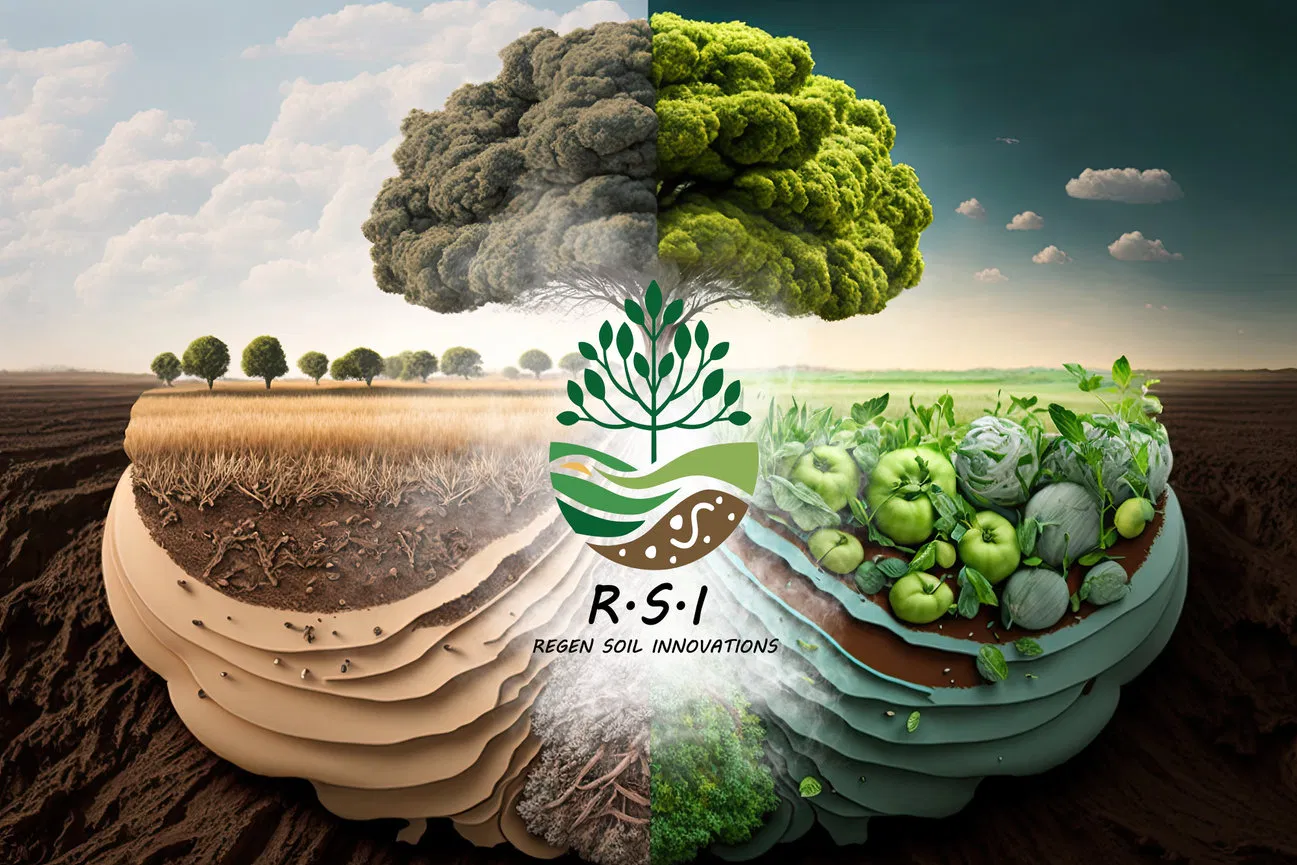
At Regen Soil, we don't just grow plants; we archive life. Most modern landscapes are filled with "dead dirt": a sterile medium that requires constant life support. Regenerative agriculture is the process of turning that "dirt" back into living soil. It’s about moving away from the "kill everything that moves" philosophy and moving toward a "feed everything that lives" mindset.
What is Regenerative Agriculture (And Why Should You Care?)
Regenerative agriculture is a holistic land management approach that focuses on restoring degraded soil and rebuilding ecosystem health. While "sustainable" gardening aims to keep things the same, "regenerative" gardening aims to make them better every single year.
Think of your soil as a bank account. Conventional gardening is like constantly withdrawing funds until you’re overdrawn. Regenerative gardening is like investing in a high-interest savings account where the interest (the biology) eventually does all the work for you.
Why this matters for the homeowner:
- Nutrient Density: Research shows that food grown in regenerative systems contains significantly higher levels of magnesium, calcium, potassium, and vitamins compared to conventional methods.
- Resilience: Living soil holds more water. In a drought, your regenerative garden stays green while your neighbor's lawn turns into a crisp.
- Carbon Sequestration: By building soil organic matter, you are literally pulling carbon out of the atmosphere and storing it in your backyard. You’re not just a gardener; you’re a climate hero.
The Four Pillars of a Regenerative Home Garden
To move from "dead dirt" to a thriving soil archive, we follow a strict set of rules that mimic how nature has been successfully growing forests for millions of years.
1. Build Soil Health Through Organic Matter
Organic matter is the fuel for the microbial fire. In nature, no one goes out into the forest with a leaf blower. Leaves fall, they rot, and they feed the soil. We recommend adding high-quality organic materials at least twice a year.
- Compost: The "black gold" of the garden.
- Leaf Mold: Fungal-dominant gold for your trees and perennials.
- Cover Crops: Living mulch that pumps carbon into the ground.
2. Keep the Soil Covered (Armor Your Soil)
Bare soil is an emergency in nature. If you see bare dirt, nature will try to fix it immediately with weeds. By keeping your soil covered with mulch, straw, or living plants, you prevent erosion, regulate temperature, and provide a habitat for the "microbial architects" that build soil structure.
3. Minimize Soil Disturbance
Every time you use a rototiller, you are essentially hitting a "delete" button on the fungal networks in your soil. We advocate for no-till or minimum-till practices. We want the soil microbiology to stay intact. When you disturb the soil, you release stored carbon and kill the beneficial fungi that help your plants find water.
4. Maximize Biodiversity
Planting a monoculture (like a huge grass lawn) is a buffet for pests. By planting a diverse range of species, you invite a diverse range of microbes. Each plant species exudes different sugars from its roots, attracting different "specialist" bacteria and fungi.

The Deep Dive: Understanding Rhizo Logic® and the Soil Food Web
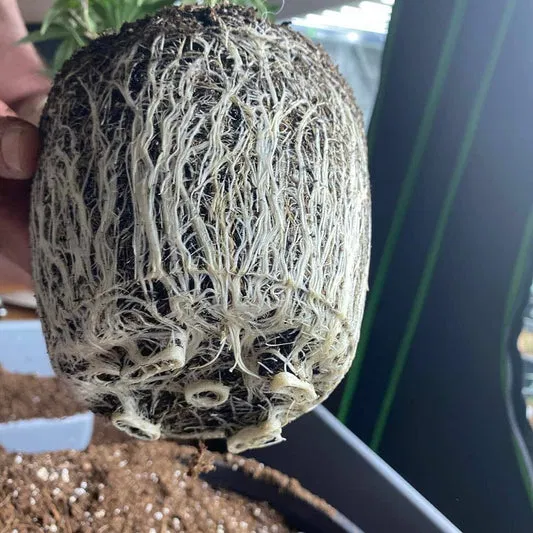
At the heart of the RSI Method is the understanding of the Rhizophagy Cycle. This is a process where plants actually "eat" microbes at their root tips, strip them of nutrients, and then spit them back out to go find more.
If your soil is sterile, this cycle stops. Your plants become "lazy" and dependent on synthetic fertilizers. Our Rhizo Logic® products are designed to reintroduce these essential microbial populations, ensuring your plants have a functional "stomach" in the soil.
For the Beginners: Starting Your First Living Soil Bed
If you’re just starting, don’t overcomplicate it.
- Stop Tilling: Lay down cardboard over your grass to kill it (sheet mulching).
- Add Compost: Put 3-4 inches of high-quality compost on top.
- Inoculate: Use a microbial tea or a product like our 5gal Living Soil kit to jumpstart the biology.
- Mulch: Cover it all with wood chips or straw.
For the Experienced Growers: Balancing Ratios
Once you have the basics down, it’s time to look at fungal-to-bacterial (F:B) ratios.
- Cannabis and Garden Veggies: Generally prefer a balanced 1:1 ratio.
-
Trees and Shrubs: Prefer fungal-dominant soil.
Understanding these nuances is the difference between a good harvest and a legendary one. We dive deep into this in our guide on Understanding Fungal/Bacteria Ratios.
From Dirt to Archive: Why We Call It an "Archive"
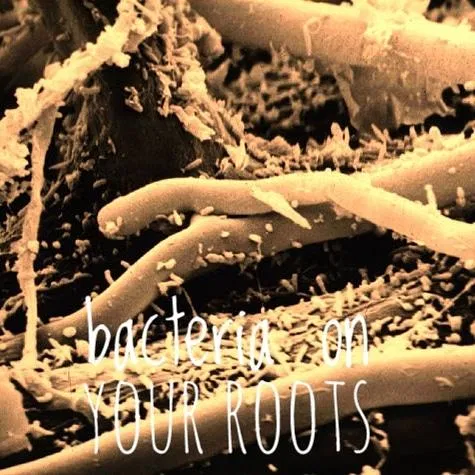
When we talk about "Soil Archives," we are referring to the incredible amount of biological information stored in healthy soil. A single teaspoon of healthy living soil contains more organisms than there are people on Earth. These microbes carry the "genetic memory" of how to fight off pests like Fungus Gnats and diseases like Grey Mold.
When you build a regenerative garden, you are creating a localized archive of beneficial biology that is adapted to your specific climate and micro-ecosystem. This is why we focus so heavily on Soil Health Assessments. You can't manage what you don't measure.

Troubleshooting Your Regenerative Transition
Transitioning from conventional to regenerative isn't always a walk in the park. You might see a temporary "slump" as the soil life recalibrates. Here is how to handle common issues:
| Problem | Likely Cause | Regenerative Solution |
|---|---|---|
| Yellowing Leaves | Lack of available Nitrogen or poor microbial activity. | Use a microbial brew like our Coral Cal Microbe Brew. |
| Compacted Soil | Lack of structural fungi and "tillage pan." | Plant deep-rooted cover crops like Daikon radish and avoid walking on the soil. |
| Pest Outbreaks | Ecosystem imbalance. | Increase plant diversity to attract predatory insects and boost soil immunity with Rhizo Logic®. |
A Note on Amendments: Bio-boost vs. Rhizo Logic®
It is crucial to understand the tools in your shed. While we advocate for living systems, sometimes the soil needs a targeted kickstart.
- Bio-boost (Terrabiotics): This is a powerful amendment used to stimulate plant growth and health. It’s part of our Terrabiotics line.
-
Rhizo Logic®: This is the brand specifically for our Living Soil products and microbial inoculants.
Think of Bio-boost as the "fuel" and Rhizo Logic® as the "engine." You need both for a high-performance garden.
FAQ: Regenerative Agriculture at Home
Q: Can I do regenerative agriculture in pots?
A: Absolutely. In fact, it’s often easier to control. Our 5gal Living Soil systems are designed exactly for this. The principles remain the same: don't disturb the soil, keep it covered, and keep the microbes happy.
Q: Does regenerative gardening take more time?
A: Initially, yes. There is a learning curve. But once the "biological engine" is running, you’ll find yourself doing less work. No more constant fertilizing, less weeding (thanks to mulch), and fewer pest battles.
Q: Why shouldn't I just use N-P-K fertilizers?
A: Synthetic salts (N-P-K) are like fast food for plants. They provide a quick growth spurt but they kill the soil microbes in the process. Over time, your soil becomes addicted to the chemicals and loses its ability to function naturally.
Conclusion: Join the Soil Revolution
Moving from "dead dirt" to a "soil archive" is the most rewarding thing a homeowner can do. You aren't just growing tomatoes or flowers; you are stewarding a living, breathing community of organisms that will sustain your family for generations.
We’ve seen the transformation first-hand, from barren backyards to thriving oases of life. If you're ready to stop "gardening" and start "regenerating," we’re here to help. Check out our Soil Health services or join our Community of Organic Growers.
Have you started your regenerative journey yet? What was the biggest "aha!" moment you had when you realized your soil was alive? Let us know in the comments below!