
Regenerative Gardening: How to Heal the Earth in Your Own Backyard (or Patio!)
At Regen Soil, we believe that you don't need a thousand-acre farm to be a "farmer." Whether you have a sprawling backyard or a sunny three-foot balcony, you have the power to participate in the most important environmental movement of our time: regenerative gardening.
In the past, gardening was often seen as a battle: us against the pests, us against the weeds, us forcing the soil to give up nutrients through chemical inputs. Regenerative gardening flips that script. It’s about working with nature to restore the land, sequester carbon, and build a thriving, living soil ecosystem. We aren't just growing tomatoes or cannabis; we are healing the planet, one square foot at a time.
In this guide, we’re going to dive deep into how to improve soil health, implement regenerative farming practices at home, and master the art of patio growing using biology rather than chemistry.
What Exactly is Regenerative Gardening?
To understand regenerative gardening, we first have to distinguish it from "sustainable" gardening. Sustainability is about maintaining the status quo: not making things worse. Regeneration is about improvement. It’s about leaving the soil better than you found it.
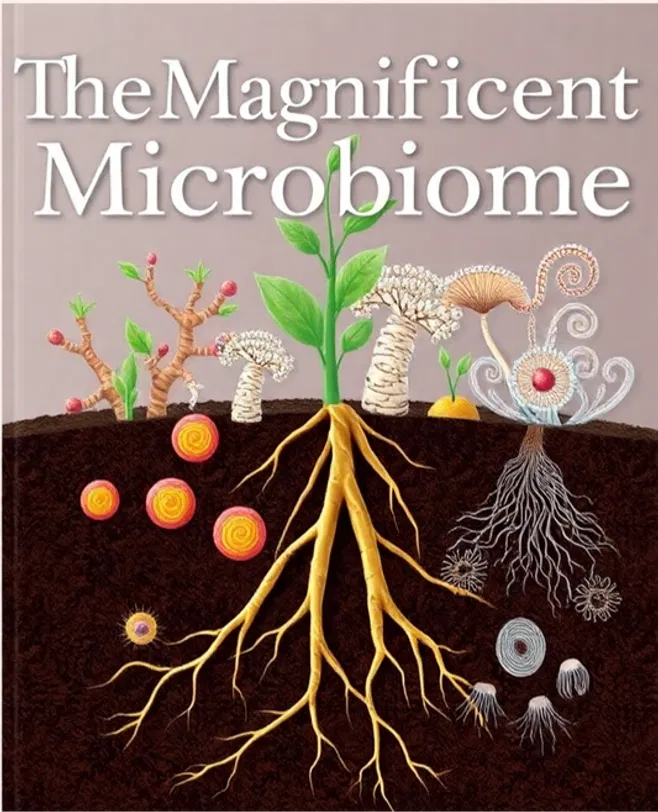
The heart of this practice is the soil microbiome. Just like our own gut health dictates our overall well-being, the health of your plants is entirely dependent on the beneficial soil microbes living beneath the surface. When we use synthetic fertilizers, we essentially put our plants on "life support," bypassing the natural relationship between roots and microbes. In a regenerative system, we focus on feeding the soil, and in turn, the soil feeds the plant.
The Five Pillars of Regenerative Practice at Home
We follow a specific set of principles at Regen Soil to ensure we are building long-term vitality. Here is how you can apply these regenerative farming practices in your own space.
1. Minimal Soil Disturbance (The No-Till Revolution)
Every time you turn the soil with a shovel or a rototiller, you are essentially causing an earthquake in a microscopic city. Tilling shatters fungal networks (mycelium) and exposes delicate soil organisms to the sun, where they die.
By embracing no-till farming, we allow the soil structure to remain intact. This increases water retention and keeps carbon locked in the ground where it belongs.
2. Keep the Soil Covered
Nature hates a vacuum, and it hates bare dirt. If you leave soil exposed, the sun will bake the life out of it, and the rain will wash the nutrients away. Always keep your soil covered with mulch (straw, wood chips, or leaves) or living mulch (low-growing ground covers). This acts as a protective blanket for your beneficial soil microbes.
3. Maximize Biodiversity
In nature, you never see a monoculture. A healthy garden should have a mix of vegetables, flowers, and herbs. This diversity prevents pests from taking over and ensures that different types of microbes are supported by different root systems.
4. Living Roots All Year
Roots are the "pumps" that send liquid carbon (exudates) into the soil to feed the microbes. When a garden bed sits empty for the winter, the microbial population starves. We recommend using cover crops like clover or vetch to keep those biological "pumps" working through the off-season.
5. Integrate Biology
This is where we move from chemistry to biology. Instead of pouring N-P-K salts onto your plants, we introduce high-quality organic matter and microbial inoculants. This is where our proprietary Rhizo Logic® line comes into play. By introducing specific strains of bacteria and fungi, you jumpstart the nutrient cycling process immediately.

How to Improve Soil Health: The Science of Living Soil
If you want to grow nutrient-dense food or high-quality medicine, you need to understand the difference between living soil and super soil. Most "potting soils" are sterile media designed to hold water while you provide the food. Living soil is a complete ecosystem.
We focus heavily on the soil food web. This includes:
- Bacteria and Fungi: The primary decomposers.
- Protozoa and Nematodes: The "predators" that eat the bacteria and release nitrogen in a form the plant can actually use. You can read more about these microscopic architects here.
- Arthropods and Earthworms: The "shredders" that move organic matter through the soil layers.
When these are in balance, your plants become more resilient to drought, pests, and disease. This is why we developed Rhizo Logic®. It’s not just a fertilizer; it’s a biological boost designed to restore the natural order of your soil.

Regenerative Gardening for Small Spaces: Patio Growing
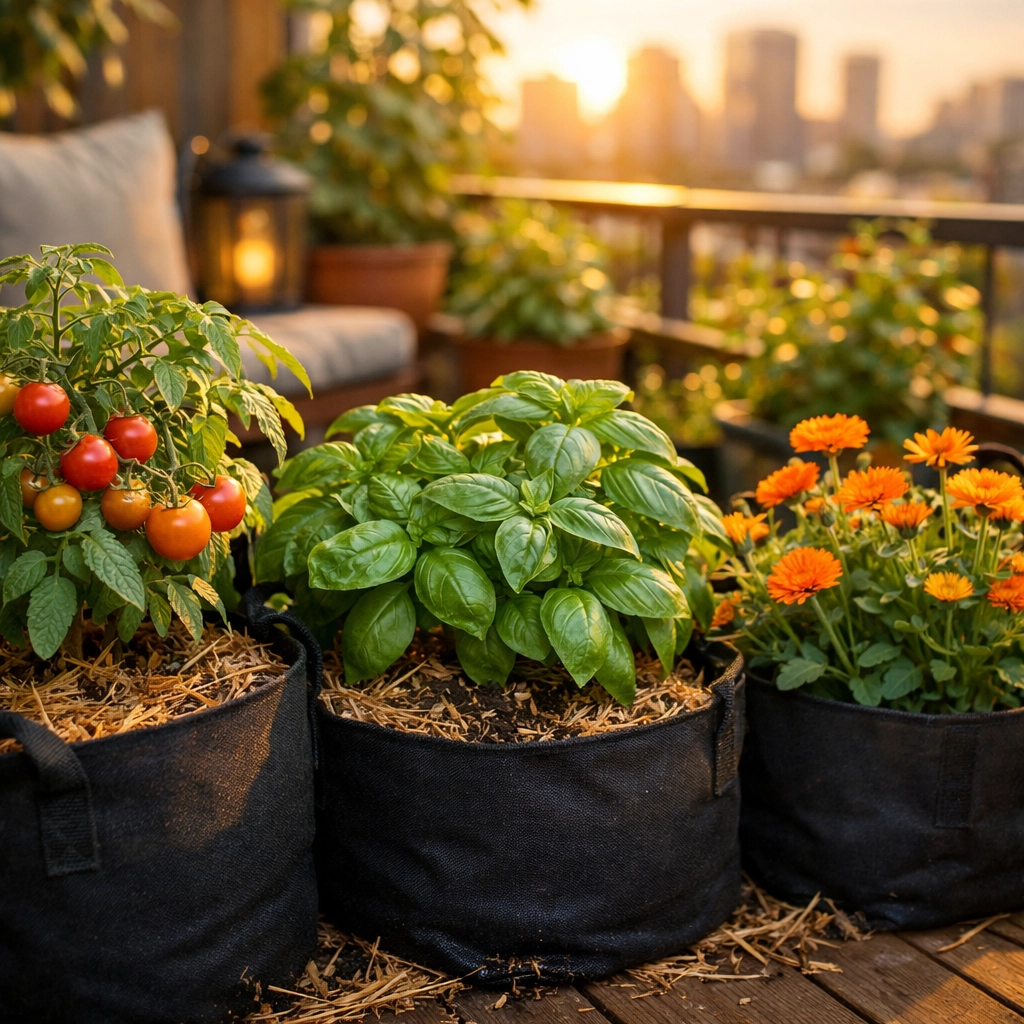
One of the biggest myths in agriculture is that you need "land" to be regenerative. Many of our clients are urban dwellers who master patio growing using fabric pots and raised beds.
The challenge with container gardening is that the environment is "closed." You don't have the deep earth to pull moisture or microbes from. This is why we created the Full Living Soil Patio Kit. It’s designed specifically to bring the power of a forest floor to a 5-gallon bag on your balcony.
Tips for Regenerative Patio Success:
- Use Fabric Pots: These allow for "air pruning" of the roots and better gas exchange for your microbes.
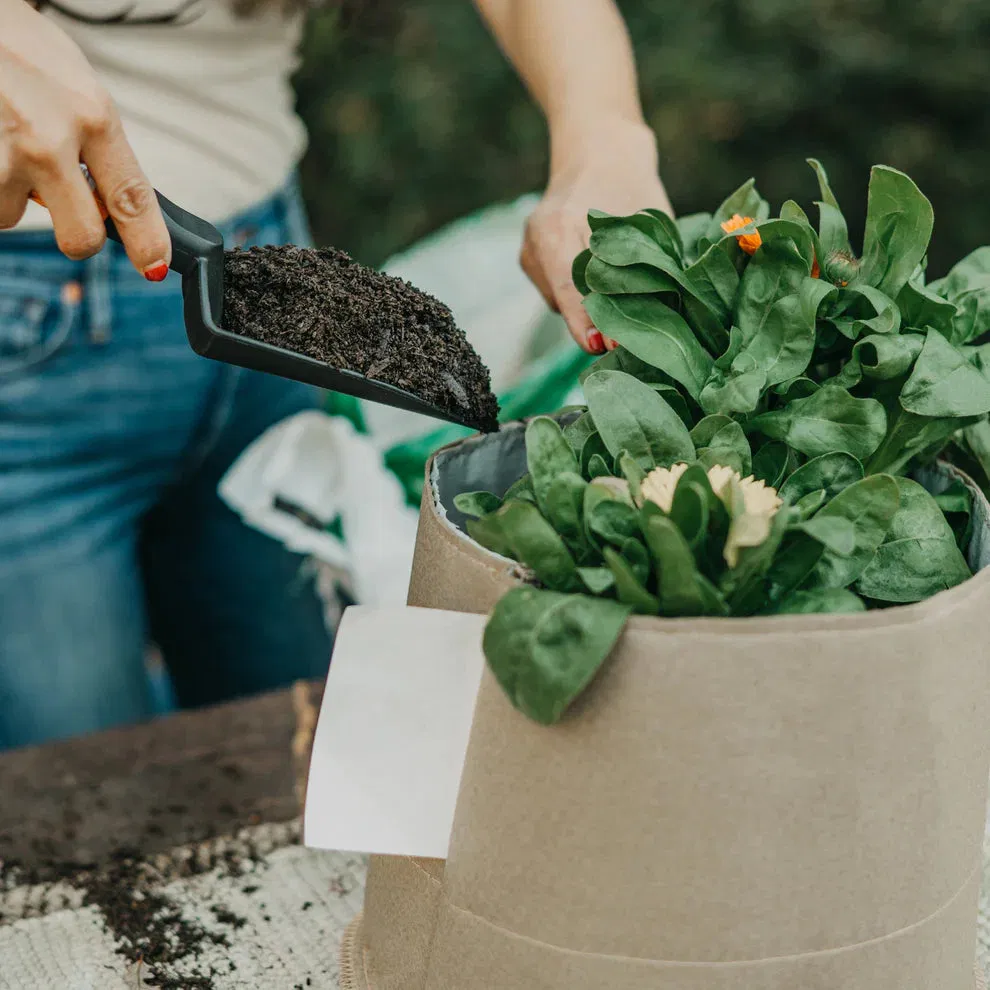
- Don't Toss Your Soil: In a regenerative system, you don't throw away your soil at the end of the season. You "re-amend" it. Add a layer of high-quality compost, a dash of Rhizo Logic®, and plant right back into the same pot.
- Water Mindfully: Living soil needs to stay moist, but not waterlogged. Overwatering can drown your beneficial aerobic microbes and invite pathogens like grey mold.
A Strategy for Every Gardener
Regardless of your experience level, there is a way to integrate these practices today.
For the Absolute Beginner
Start by stopping. Stop digging, stop tilling, and stop using synthetic pesticides. Buy a high-quality 5-gallon living soil bag and just observe. Watch how the water interacts with the soil and how the plants respond to microbial life rather than chemical salts.
For the Experienced Grower
If you already have an established garden, it's time to fine-tune your biology. We suggest getting an Initial Soil Health (ISH) Assessment. We use microscopy to look at exactly what is living in your dirt. Are you fungal dominant? Do you have enough protozoa? Once we have the data, we can create a personalized restoration strategy using the RSI Method.
For the Science-Focused
If you’re into the "why" behind the "how," focus on carbon sequestration. Regenerative gardening is one of the few ways individuals can actually pull CO2 out of the atmosphere and store it in the ground. Every time you add organic matter or support microbial life, you are helping solve the nutrient loss problem in our modern food system.
Frequently Asked Questions
Is regenerative gardening more expensive?
Initially, there may be a small investment in high-quality compost or microbial inoculants. However, in the long run, it is significantly cheaper. You stop buying fertilizers, you stop buying pesticides, and you stop replacing your soil every year. The system becomes self-sustaining.
Can I do this with any plant?
Absolutely. Whether you are growing cannabis, kale, or marigolds, the biological requirements for soil health remain the same. All plants evolved to work with microbes.
Won't "no-till" make my soil too hard?
Actually, the opposite is true. Earthworms and fungal hyphae create "macro-pores" in the soil that are much more effective for aeration than a metal tiller. Tilling actually leads to soil compaction over time because it destroys the soil's natural structure.
Join the Soil Revolution
At the end of the day, regenerative gardening is about humility. It’s an admission that nature is a far better gardener than we are. Our job is simply to provide the right environment for nature to do its thing.
We’ve seen incredible transformations: from barren backyard dust bowls to lush, vibrant ecosystems teeming with life. And we want to help you do the same. If you’re ready to stop "growing" and start "regenerating," we’re here to help. Check out our Bio-Boost to start your microbial journey, or reach out for a consultation.
What’s happening in your garden? Have you tried switching to a no-till or living soil method? Drop a comment below or tag us in your patio garden photos: we’d love to see what you’re growing!