
7 Mistakes You’re Making with Regenerative Agriculture (and How to Fix Them)
JeremyPenny
Transitioning to regenerative agriculture is a journey of unlearning just as much as it is a journey of growth. At Regen Soil, we’ve seen growers move from conventional "input-heavy" models to biological systems, and while the enthusiasm is high, the learning curve can be steep. We often see well-meaning farmers and gardeners hit a wall because they apply conventional thinking to a living system.
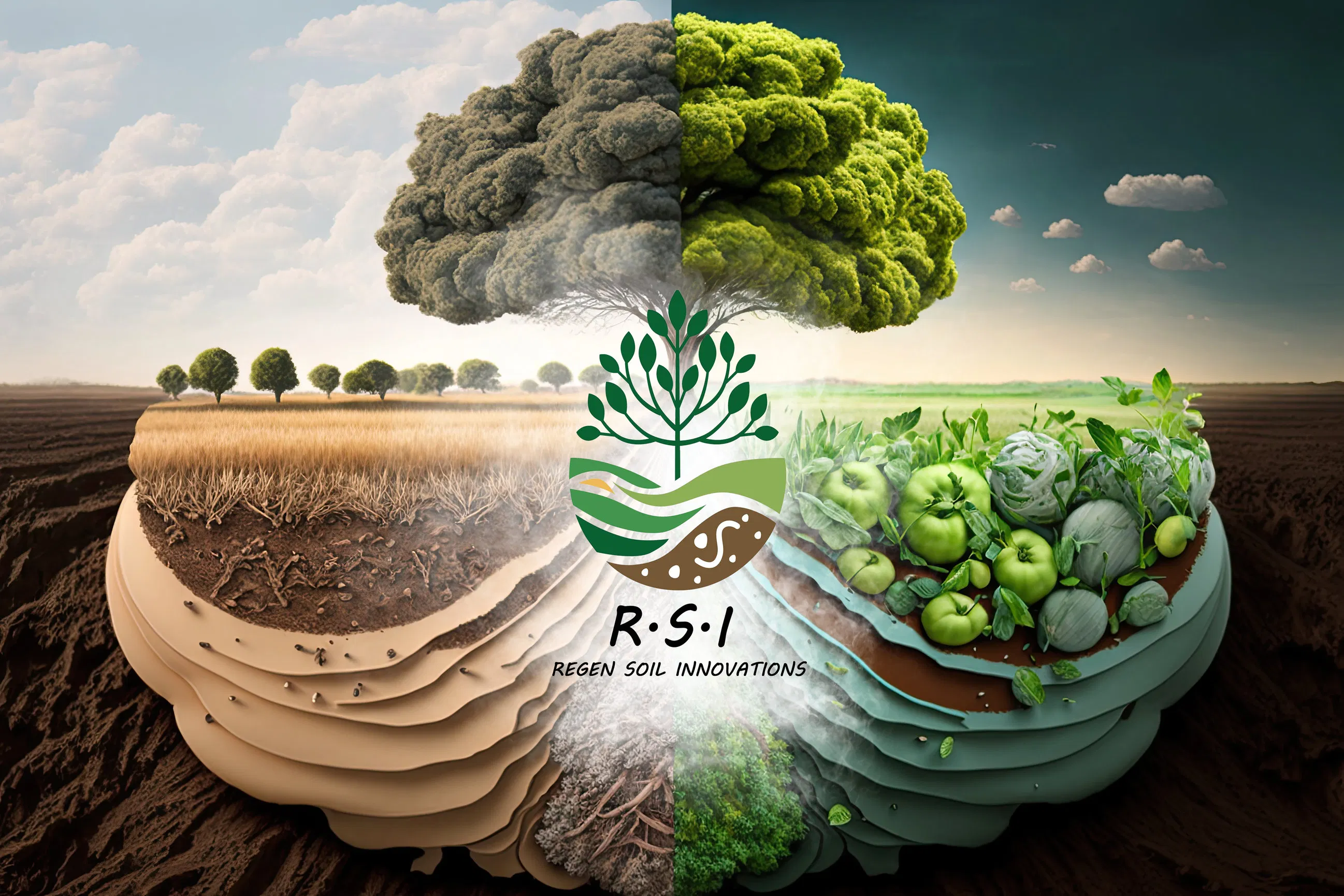
Regenerative agriculture isn't just about stopping the use of chemicals; it’s about active soil restoration and fostering a living soil ecosystem. If you’re struggling to see the results you expected, you might be falling into one of these seven common traps. Here is how we recommend you identify and fix them.
1. Skipping a Proper Site and Soil Assessment
One of the biggest mistakes we see is the "guess and check" method. Growers often jump straight into planting or applying amendments without understanding the baseline of their land. Every site has a unique context, slope, water retention, and existing microbial populations.
The Fix: You cannot manage what you do not measure. We always recommend starting with an Initial Soil Health (ISH) Assessment. Unlike a standard N-P-K test that just looks at chemistry, an ISH assessment looks at the biological and physical properties of your soil. This allows us to create a roadmap for restoration rather than just throwing "organic" products at a problem you haven’t fully identified yet.

2. Ignoring Water Flows and Drainage
Water is the lifeblood of living soil. However, many beginners focus entirely on the plants and ignore the hydrology of their land. Poor drainage leads to anaerobic conditions (low oxygen), which kills off the aerobic microbes we work so hard to cultivate. Conversely, poor water harvesting leads to erosion and nutrient leaching.
The Fix: Make water management your first design priority. We suggest observing your land during a heavy rain event. Where does the water pool? Where does it run off? Use swales, terraces, or simple mulching techniques to "slow, spread, and sink" water. Healthy soil structure, bolstered by fungal networks, acts like a sponge, but you have to give the landscape the physical structure to hold that water first.
3. Over-complicating the System Too Early
We love the "everything all at once" energy, but trying to implement cover crops, no-till, animal integration, and bio-intensive composting in year one is a recipe for burnout. Regenerative systems are complex, but your management of them shouldn't be overwhelming.
The Fix: Use a phased implementation approach. Start by stabilizing your soil biology. We recommend the RSI Method, which focuses on a step-by-step restoration process. Focus on one or two key changes, like switching to a Rhizo Logic® based living soil, and master those before adding more layers of complexity like livestock or advanced agroforestry.
4. Treating "Living Soil" Like Dead Dirt
Many growers buy high-quality living soil, like our Rhizo Logic® 5-gallon kits, but then treat it with the same heavy-handed approach they used for hydroponics. If you use harsh synthetic fertilizers or let the soil dry out completely, you are essentially killing the microscopic architects that make the system work.
The Fix: Understand the Rhizosphere. This is the area around the plant roots where the most biological activity occurs. To keep this area thriving, you must maintain consistent moisture and provide "microbe food." This is where Terrabiotics products like Bio-boost come into play. They don't just "feed the plant"; they provide the catalysts necessary for the microbes to flourish.

5. Focusing on Yield Instead of Profitability and Quality
In conventional agriculture, the goal is often "maximum yield at any cost." In regenerative systems, we shift the focus to nutrient density and input reduction. If you are spending $100 on amendments to get $110 in crops, your system isn't regenerative, it’s just expensive.
The Fix: Measure success through the lens of soil health and reduced overhead. As your soil biology improves, your need for external inputs should decrease. We have found that by focusing on soil health, plants become naturally more resistant to pests and diseases, which saves you money on "rescue chemistry" later in the season. Check out our blog post on fungus gnats to see how biological balance prevents common headaches.
6. Planting the Wrong Species for Your Climate
A "miracle" cover crop that works in the Pacific Northwest might fail miserably in the humid Southeast or the arid Southwest. Planting species that aren't adapted to your local climate forces you to use more water and more labor, which is the opposite of a self-sustaining system.
The Fix: Prioritize native and climate-appropriate species. We recommend researching local ecological history or talking to native seed banks. Diversity is key. A diverse mix of plants leads to a diverse mix of root exudates, which supports a more robust soil microbiome.

7. Forgetting the "Human" Element of Regeneration
Regenerative agriculture is as much about the people as it is about the plants. We often see projects fail because the labor requirements weren't realistic for the grower's lifestyle, or there was no economic plan to sustain the operation.
The Fix: Design for your capacity. If you only have five hours a week, don't design a system that requires twenty. At Regen Soil, we believe in building a thriving community where knowledge is shared. Whether you are a hobbyist or running a commercial operation, your system must be socially and economically sustainable for it to be truly regenerative.
Comparison: Conventional vs. Regenerative Management
| Feature | Conventional Approach (Mistake-Prone) | Regenerative Approach (The Fix) |
|---|---|---|
| Nutrient Source | Synthetic N-P-K salts | Living Soil & Microbial cycling |
| Pest Control | Chemical pesticides (Reactive) | Biological balance & Plant immunity (Proactive) |
| Soil Structure | Frequent Tillage | Minimal disturbance / No-till |
| Water Strategy | Overhead irrigation / Drainage pipes | Soil organic matter & Rhizo Logic® biology |
| Primary Goal | Short-term yield | Long-term soil restoration and vitality |
Deep Dive: Why Biology Beats Chemistry
When we talk about Rhizo Logic®, we are talking about a fundamental shift in how plants eat. In a conventional system, you "spoon-feed" the plant. In a regenerative system using Terrabiotics Bio-boost, you are building a biological engine. The microbes break down minerals and organic matter, handing them to the plant in exchange for sugars. This symbiotic relationship is what creates the "flavor" and "potency" that organic growers strive for.

Frequently Asked Questions
Can I use Bio-boost with my existing nutrient line?
Yes, Bio-boost (a Terrabiotics product) is designed to enhance microbial activity. However, if your current nutrient line is very high in salts, it may inhibit the very microbes you are trying to boost. We recommend transitioning toward a more biological approach for the best results.
How long does soil restoration take?
While you will see immediate improvements in plant vigor using Rhizo Logic® products, true soil restoration: building stable humus and complex fungal networks: can take 3 to 5 years. It is a marathon, not a sprint.
What is the first step for a beginner?
Start with the soil. Don't worry about fancy tech or massive equipment. Get a high-quality living soil, ensure your water is dechlorinated, and focus on maintaining the right moisture levels. You can read more about getting started here.
Is regenerative agriculture only for large farms?
Absolutely not. Whether you have a 5-gallon pot or a 500-acre farm, the principles of balancing the microbiome remain the same.
Let’s Get Growing
Mistakes are part of the process, but they don't have to be permanent. By shifting your focus from "inputs" to "ecosystems," you can turn a struggling garden into a thriving, regenerative powerhouse.
Are you ready to stop guessing and start growing? We’d love to hear about your challenges in the comments below, or you can reach out to Jeremy and the team for a personalized consultation on your soil health journey.