
10 Reasons Your Soil Restoration Isn’t Working (And How to Fix It)
You’ve read the books, you’ve bought the compost, and you’ve swapped the blue-liquid fertilizer for organic alternatives. Yet, your plants are still yellowing, the "living soil" looks like dusty concrete, and your yields are stagnant. We see it all the time at Regen Soil. The path to regenerative agriculture is often paved with good intentions but hindered by a lack of understanding of the complex biological systems under our feet.
Soil restoration isn't just about adding "stuff" to the ground; it’s about rebuilding a broken ecosystem. If your efforts have stalled, it’s likely because you’re missing a piece of the puzzle. Here are the top 10 reasons your soil restoration isn’t working and, more importantly, how we can fix it together.
1. You’re Focused on Chemistry, Not Biology
Most growers come from a background of N-P-K (Nitrogen, Phosphorus, Potassium) math. While minerals are important, they are useless if the living soil isn’t there to process them.
- The Problem: You are adding nutrients, but there are no microbes to "unlock" them for the plant.
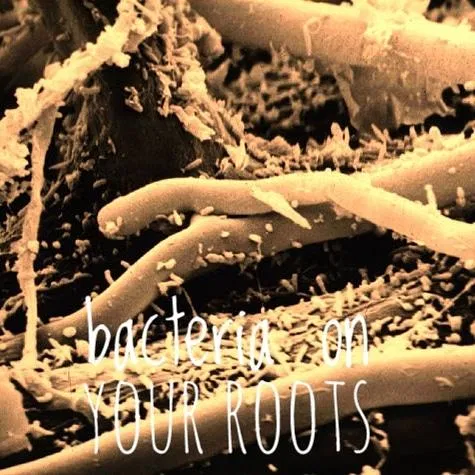
- The Fix: Transition your mindset to Rhizo Logic®. This means prioritizing the rhizosphere, the area around the roots where microbes and plants trade carbon for nutrients. Without a diverse microbial population, your soil is just "dirt."
2. The Synthetic "Sugar Crash"
If you’ve spent years using high-salt synthetic fertilizers, your soil is essentially in rehab.
- The Problem: Synthetic fertilizers provide immediate nutrition but kill off the beneficial bacteria and fungi that create long-term fertility. This leaves the soil dependent on the next "hit" of chemicals.
- The Fix: We recommend a "tapering" approach combined with heavy inoculation. Using Bio-boost (our signature Terrabiotics solution) can help jumpstart the biological recovery by introducing the beneficial organisms that synthetics have purged.
3. The Invisible Wall: Soil Compaction
You can have the best nutrients in the world, but if your soil is compacted, your roots are suffocating.
- The Problem: Compacted soil lacks pore space for oxygen and water. Anaerobic (oxygen-hating) bacteria move in, often producing toxins that hurt plant health.
- The Fix: Avoid tilling, which actually worsens long-term compaction. Instead, use biological "drillers" like cover crops or deep-rooting radishes. You can learn more about this in our guide to cover crops.
4. pH Paradox and Nutrient Lockout
We often see growers obsessing over the pH of their water while ignoring the pH of their soil.
- The Problem: If your soil pH is off, nutrients become chemically "locked," meaning the plant cannot physically absorb them, regardless of how much you feed.
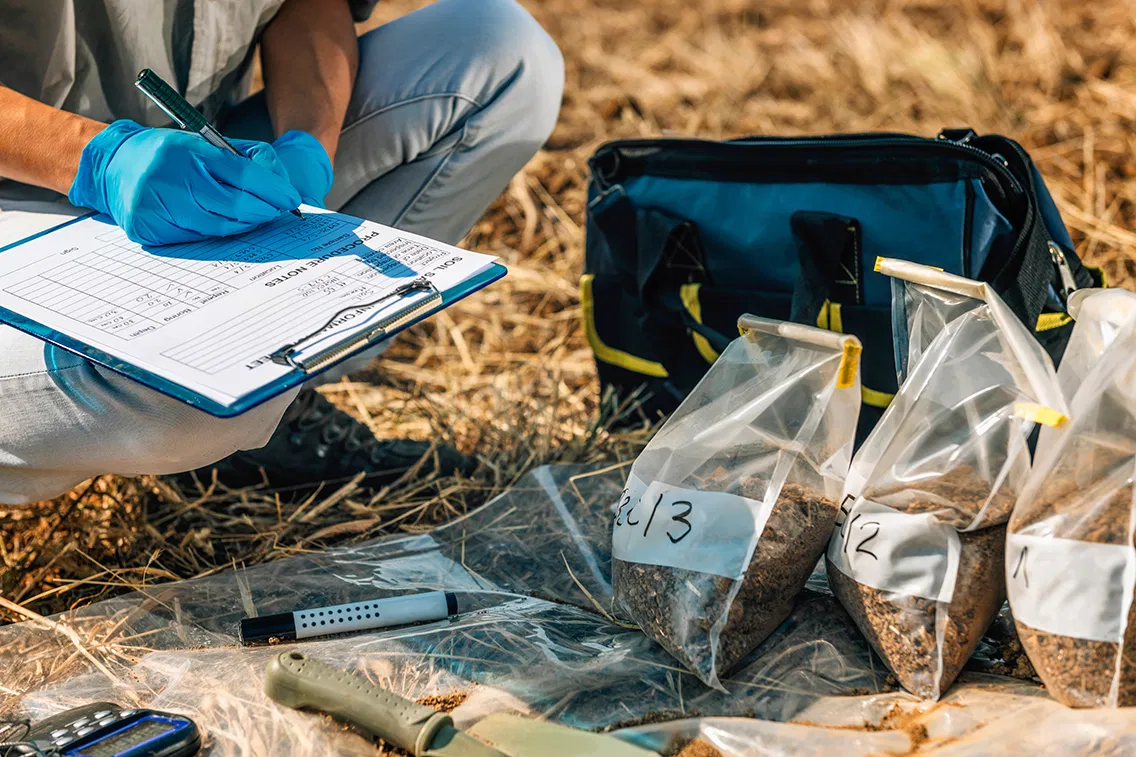
- The Fix: Don’t guess, test. An Initial Soil Health (ISH) Assessment is the only way to know your true baseline. Once we know the pH, we can use specific amendments to bring it back into the "Goldilocks zone" for your specific crop.
5. You’re Starving the Microbiome
Microbes are living creatures; they need to eat.
- The Problem: If you aren't adding organic matter (carbon), your microbial populations will starve and die off.
- The Fix: Keep the soil covered. Mulch, compost, and living roots are the "fuel" for the soil engine. Think of Rhizo Logic® products as the workers and organic matter as their rations.
6. Tillage Trauma
Every time you turn the soil with a tiller, you are essentially putting the soil's "house" into a giant blender.
- The Problem: Tilling destroys the delicate fungal networks (mycelium) that are responsible for transporting water and nutrients over long distances.
- The Fix: Adopt "No-Till" or "Low-Till" practices. Protect the structures that your microbes have spent months building. Building a thriving community starts with respecting the existing architecture of the soil.
7. The Monoculture Mindset
Nature abhors a vacuum, and it hates a monoculture.
- The Problem: Growing only one type of plant leads to a narrow range of microbial diversity, making the system vulnerable to pests and diseases.
- The Fix: Increase biodiversity. Even in a small home grow, companion planting or diverse cover crop blends can create a more resilient ecosystem. Diversity below ground follows diversity above ground.
8. Moisture Mismanagement
Soil restoration fails in both the desert and the swamp.
- The Problem: Overwatering drowns aerobic microbes; underwatering puts them into a dormant (or dead) state.
- The Fix: Use sensors or the "finger test" to ensure consistent moisture. Living soil needs to stay damp: like a wrung-out sponge: to keep the biological processes moving.
9. Missing Trace Minerals
While N-P-K gets all the glory, trace minerals like Boron, Manganese, and Molybdenum are the "spark plugs" of plant immunity.
- The Problem: Most "restoration" efforts focus only on the big three nutrients, leaving the plant's immune system weak.
- The Fix: We utilize broad-spectrum mineral inputs. Our Soil Health Consulting identifies these micro-deficiencies so you can address them before they manifest as leaf chlorosis or pest outbreaks.
10. Impatience: The Biological Clock
You can’t rush biology.
- The Problem: Many growers expect a total soil 180-degree turn in two weeks. Soil restoration is a marathon, not a sprint.
- The Fix: Stick to the system. By using Rhizo Logic® and Bio-boost consistently, you are building a compound interest of fertility that will pay off for years to come.

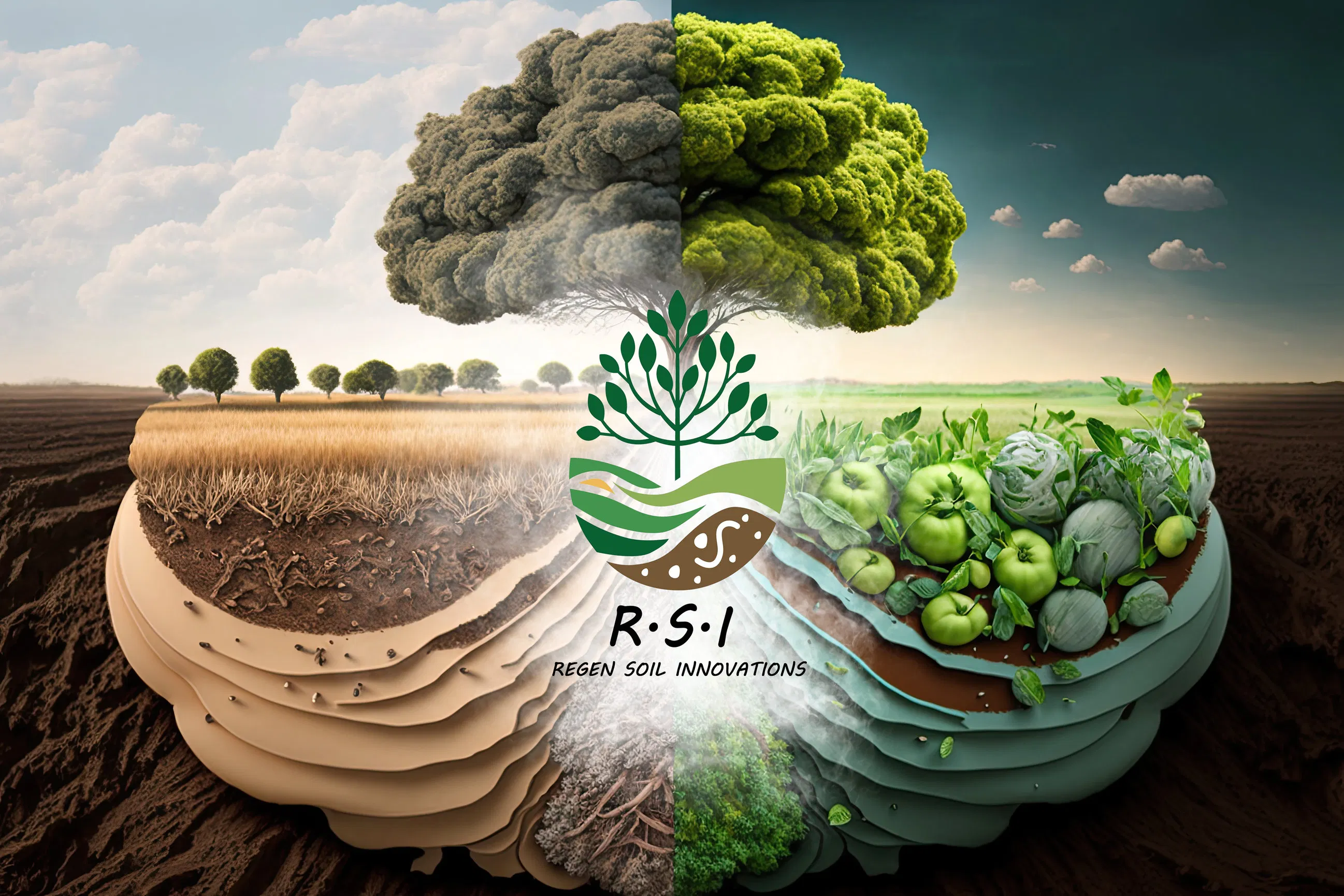
Caption: A visual representation of the systems-thinking approach, showing the interplay between minerals, microbes, and plant health.
Deep Dive: The Systems-Thinking Approach
At Regen Soil, we don’t look at your garden as a factory; we look at it as a closed-loop system. When we perform an ISH Assessment, we aren't just looking for what's missing. We are looking for antagonisms. For example, too much Calcium can block Magnesium. High Phosphorus can kill off Mycorrhizal fungi.
Our goal is Soil Balance. By focusing on the Rhizo Logic® philosophy, we ensure that the biological components are in place to mediate these chemical relationships. This is why our 5-Gallon Living Soil is designed to be a "plug-and-play" ecosystem for those who want to start correctly from day one.
Tailored Advice for Every Grower
For the Beginner
Stop overthinking the bottles. Start with high-quality Living Soil and focus on keeping your water clean and your soil moist. Use a simple inoculant like Bio-boost once a week to keep the microbial "patrol" active.
For the Experienced Grower
It’s time to look at the microscopic level. If you’ve hit a ceiling with your organic yields, you likely have a fungal-to-bacterial ratio imbalance. Check out our deep dive on understanding fungal/bacterial ratios to break through that plateau.
For Commercial Operations
Scalability is the biggest challenge in regenerative agriculture. We specialize in transitioning large-scale farms from synthetic-dependent models to biologically-driven ones without sacrificing yield. The key is data-driven restoration: constant monitoring and precision amendment.
Case Study: From "Dead Dust" to High Brix
Last year, we worked with a grower in New York whose soil was so degraded from years of over-salting that even weeds wouldn't grow. Their initial assessment showed near-zero microbial activity.
- Month 1: We applied a heavy dose of Terrabiotics (Bio-boost) and covered the area with a high-carbon mulch.
- Month 3: Earthworms returned. Soil structure began to aggregate (clump), showing that fungal glues were being produced.
- Month 6: The grower harvested a crop of organic tomatoes with a Brix level (sugar content) 40% higher than their previous synthetic record.
Frequently Asked Questions (FAQ)
Q: Can I use Bio-boost and Rhizo Logic products together?
A: Absolutely. While they come from different lines of our science: Bio-boost being a Terrabiotics powerhouse and Rhizo Logic being our Living Soil brand: they are designed to work in harmony. Think of Rhizo Logic as the "home" and Bio-boost as the "high-energy tenants" that get the work done.
Q: How long does soil restoration take?
A: You will see biological activity (like worms and fungal fuzz) within weeks. However, true structural restoration of the soil profile typically takes 12 to 24 months of consistent regenerative practices.
Q: Is tilling ever okay?
A: In very specific cases of extreme deep-layer compaction, a one-time "shattering" might be necessary. However, for 99% of home and market gardens, it does more harm than good.
Q: Why is my soil turning green or growing mold?
A: Not all mold is bad! White "fuzz" (saprophytic fungi) is often a sign that your soil is breaking down organic matter. However, if it’s grey or slimy, you might have a drainage issue. Read our post on grey mold for more details.
Ready to Fix Your Soil?
Don't spend another season guessing why your plants aren't reaching their potential. Whether you're a home gardener or a commercial farmer, the first step to success is understanding your soil's current state.
Get your Initial Soil Health Assessment here and let's start the journey toward a truly regenerative future. If you have questions about which Rhizo Logic® or Terrabiotics products are right for you, reach out to us! We’re here to help you grow.